

Portfolio – Our Creative Journey

Welcome to our portfolio, where the heart of our work comes to life. At Reuel Production, we bring stories to the screen with visual storytelling, cinematic techniques, and passion. Browse through our collection of projects across different genres, showcasing our expertise in film production, cinematography, commercials, documentaries, and music videos.

Documentaries

Documentaries that tell powerful, thought-provoking real-life stories with deep emotional impact and cinematic authenticity.

Edmund Hillary Visitor Center: A Tribute to Adventure and Legacy – A Documentary Project

Edmund Hillary Visitor Center: A Tribute to Adventure and Legacy” is a documentary that takes viewers on an inspiring journey to the heart of the Solu-Khumbu region of Nepal, where the remarkable legacy of Sir Edmund Hillary is celebrated. Located near the base of Mount Everest in the village of Khumjung, the Edmund Hillary Visitor Center stands as a symbol of Sir Hillary’s enduring contribution to the people of Nepal and the world.

Bringing Joy to Your Smile: The Dental Clinic at Khunde Hospital

This documentary highlights the incredible impact of the dental clinic at Khunde Hospital, located in the heart of the Himalayas. Amidst the rugged terrain of Nepal, the clinic has been a beacon of hope for the local community, offering essential dental care to those who would otherwise have limited access to such services.

Lukla: A Gateway to the Himalayas – A Documentary Project

“Lukla: A Gateway to the Himalayas” is a captivating documentary that explores the unique charm and challenges of Lukla, a small town nestled in the Solu-Khumbu region of Nepal. Known as the gateway to Mount Everest, Lukla is a bustling hub for trekkers, mountaineers, and adventurers from around the world. But behind its picturesque landscapes and bustling airport lies a community deeply connected to the towering peaks and the ever-changing demands of mountaineering and tourism.

Dahachowk: The Heartbeat of Rural Nepal – A Documentary Project

Dahachowk: The Heartbeat of Rural Nepal” is a documentary that immerses viewers in the simple yet profound life of the people living in the rural village of Dahachowk, located in the serene hills of Nepal. This film captures the essence of daily life in one of the country’s most picturesque yet underserved regions, highlighting the village’s strong community spirit, traditional lifestyles, and the challenges they face in a rapidly changing world.

Commercials & Advertisements

We craft brand stories that resonate with audiences, combining creativity, innovative techniques, and messaging that leaves a lasting impression.

KTM style : brand your self
NIST College - TV Commercial 2024
MAZAAJ Rostro and sheesha lounge
MAZAAJ Rostro and sheesha lounge ADS
BROCHE Fashion clothing brand ads

Capturing Love – Unforgettable Wedding Moments

Every wedding tells a unique story, and I am dedicated to capturing those fleeting, beautiful moments that define your special day. With an eye for detail, creativity, and authenticity, I focus on the raw emotions, the laughter, the tears, and everything in between. My approach to wedding cinematography is about preserving not just the events, but the essence of your love. Whether it’s a grand celebration or an intimate ceremony, I work to make your wedding memories timeless and visually stunning.

SURENDRA AND ALINA WEDDING
SURAJ AND SMARIKA WEDDING
SUBASH AND AMBIKA WEDDING

Featured Films

Here, you’ll find some of our most memorable and impactful film projects that highlight our dedication to visual excellence and compelling storytelling.

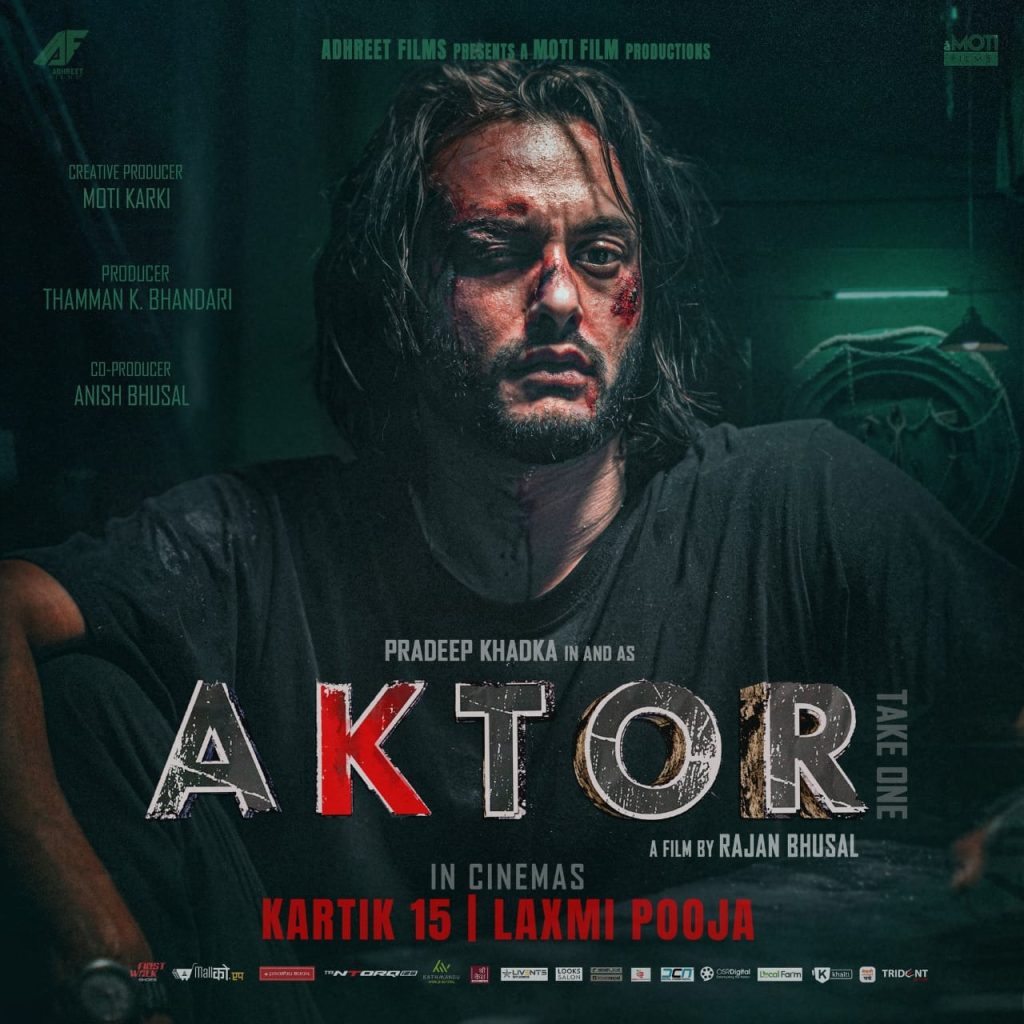
Aktor

A film showcasing exceptional lighting, composition, and movement to tell an engaging tale. Aktor is a character-driven story where the visual elements are crucial in shaping the mood and atmosphere. The lighting design elevates the film’s emotional weight, shifting the tone from moments of quiet introspection to intense drama. The careful composition of each frame, combined with fluid camera movements, ensures the audience is fully immersed in the narrative. The film stands as an example of how cinematography can serve as a powerful tool in storytelling, guiding the audience through the complexities of the characters’ lives.

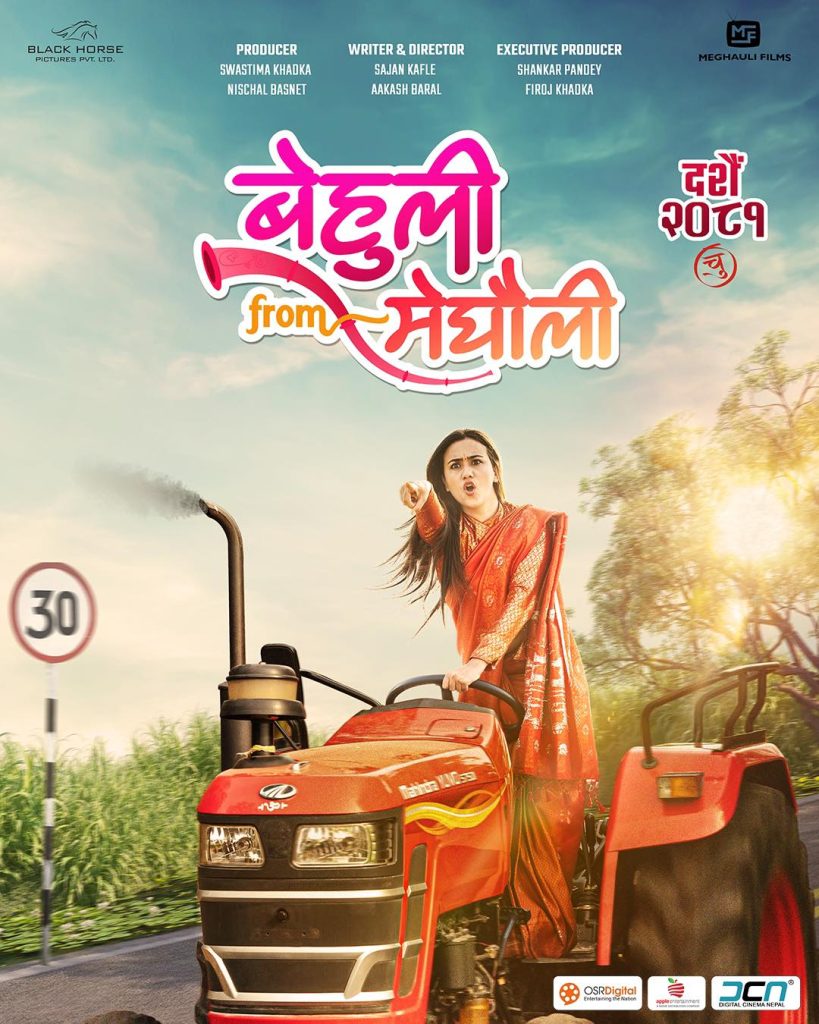
Behuli from Meghauli

A powerful story with stunning visuals and compelling performances that draw the audience in. Set in the scenic landscape of Meghauli, this film combines breathtaking visuals of nature with an intimate, personal narrative. The cinematography amplifies the beauty of the surroundings while reflecting the emotional journey of the characters. Every shot is designed to highlight the rich culture and traditions of the region, drawing the audience into a world filled with drama, love, and sacrifice. The performances, paired with exquisite cinematography, create an unforgettable experience that resonates long after the film ends.

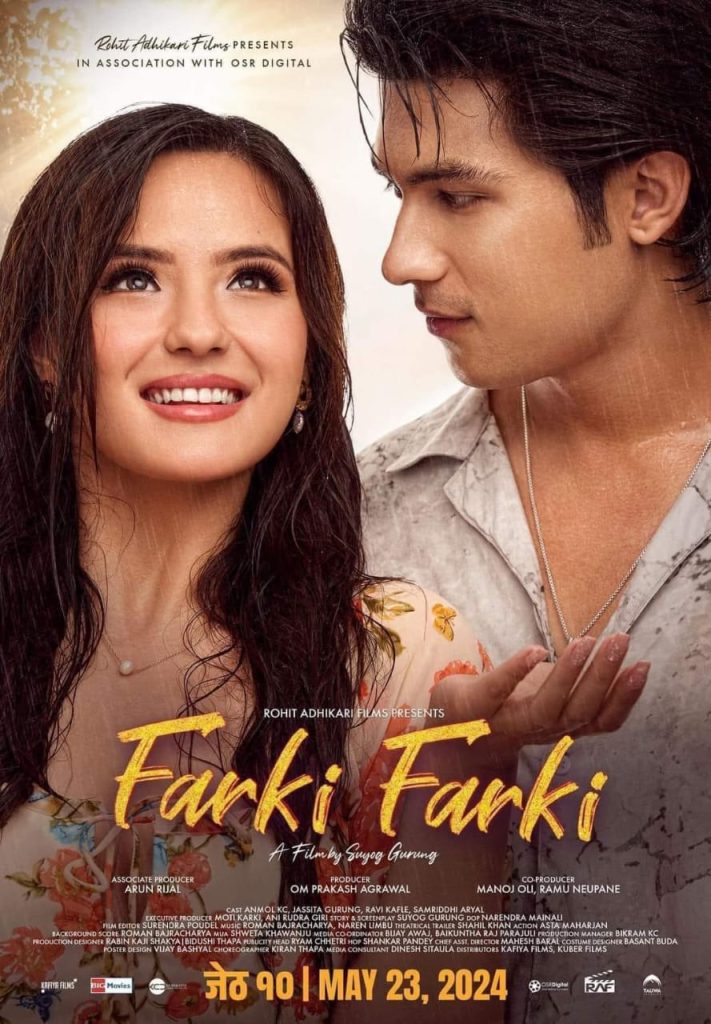
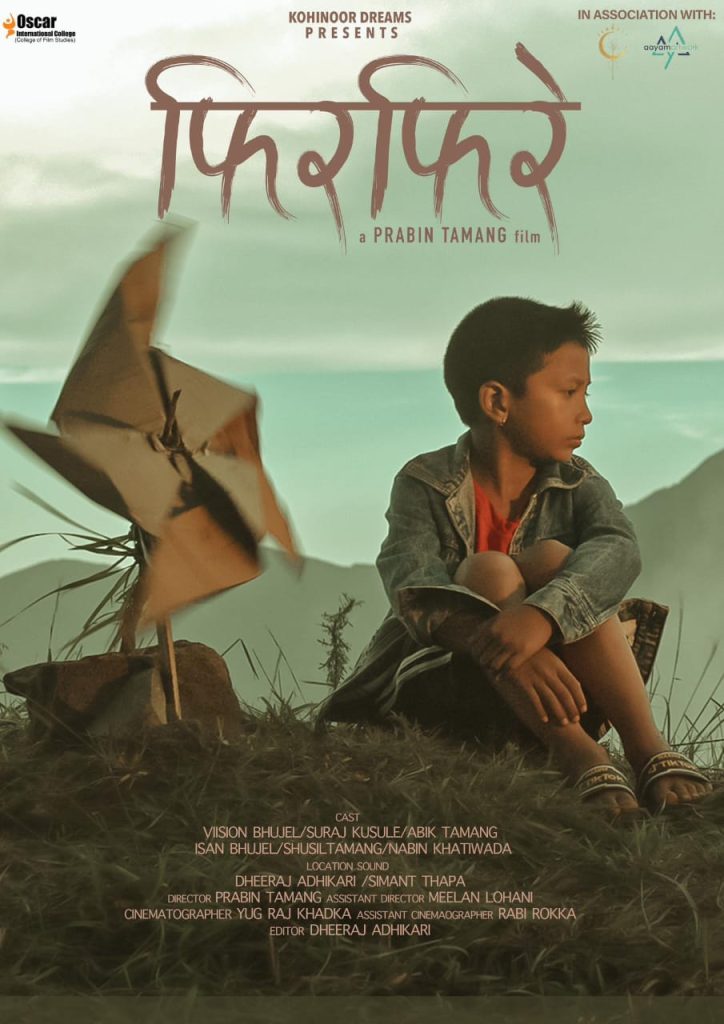
Farki Farki

A captivating narrative brought to life through expert cinematography and strong emotional depth. Farki Farki is a film that weaves complex human emotions and relationships into a visual tapestry, with each frame carefully crafted to enhance the narrative. The cinematography plays a crucial role in conveying the inner turmoil and growth of the characters, with lighting and shot composition used to emphasize moments of tension and emotional release. The story, paired with exceptional visuals, leaves a lasting emotional impact, allowing the audience to connect deeply with the characters.

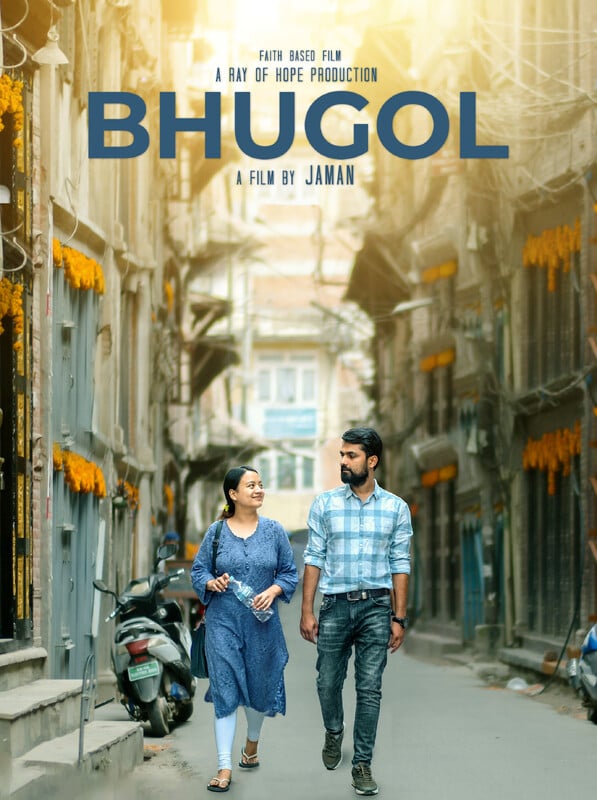
Bhugol

“Bhugol” is a faith-based movie directed by Jaman Bista, which delves into the spiritual and emotional journey of its characters, exploring themes of belief, purpose, and the connection between the physical world and the divine. The film takes the audience on an introspective path, questioning the deeper meanings of existence, faith, and destiny.

The storyline of Bhugol revolves around the characters navigating challenges, both external and internal, while searching for their spiritual truth. With breathtaking visuals of Nepal’s landscapes, the film beautifully portrays the harmony between nature and spirituality, emphasizing the journey of self-discovery and the power of faith. The title Bhugol, which translates to “Geography” in Nepali, symbolizes not just the geographical terrain of Nepal but also the emotional and spiritual landscape that the characters must traverse.

With its thought-provoking narrative and soulful portrayal of faith, Bhugol explores the connection between human life, the cosmos, and divine guidance, leading the characters (and the audience) to a place of peace, understanding, and enlightenment.

The direction by Jaman Bista infuses the film with authenticity, and his skillful storytelling guides the audience through a blend of realism and spiritual symbolism. It is a movie that speaks to the heart and encourages viewers to reflect on their own journey of faith.

Feri Feri

“Feri Feri” is a Nepali movie directed by Milan Chams, which is a sequel to the highly successful film Feri Basey. The movie continues the narrative of the characters’ lives, focusing on their struggles, growth, and the challenges they face in an ever-changing world.

The story of Feri Feri touches on themes of love, loss, friendship, and the trials of urban life. The film dives deeper into the complex relationships of its central characters, exploring how time and circumstances shape their decisions and destinies. It blends humor, emotion, and drama to capture the essence of contemporary Nepali life, addressing social issues while keeping the audience engaged with relatable experiences.

The film’s strong performances, heartfelt dialogues, and beautiful cinematography set against the backdrop of Nepal’s cities and countryside make it a memorable piece of Nepali cinema. Feri Feri not only appeals to those who enjoyed the original film but also resonates with a broader audience through its universal themes of human connection, aspirations, and the pursuit of happiness.

With the same ensemble cast as its predecessor, Feri Feri continues the journey of the characters, delivering a compelling story that reflects on life’s cyclical nature, encapsulated in the meaning of the word Feri (which translates to “again” or “revisit”).

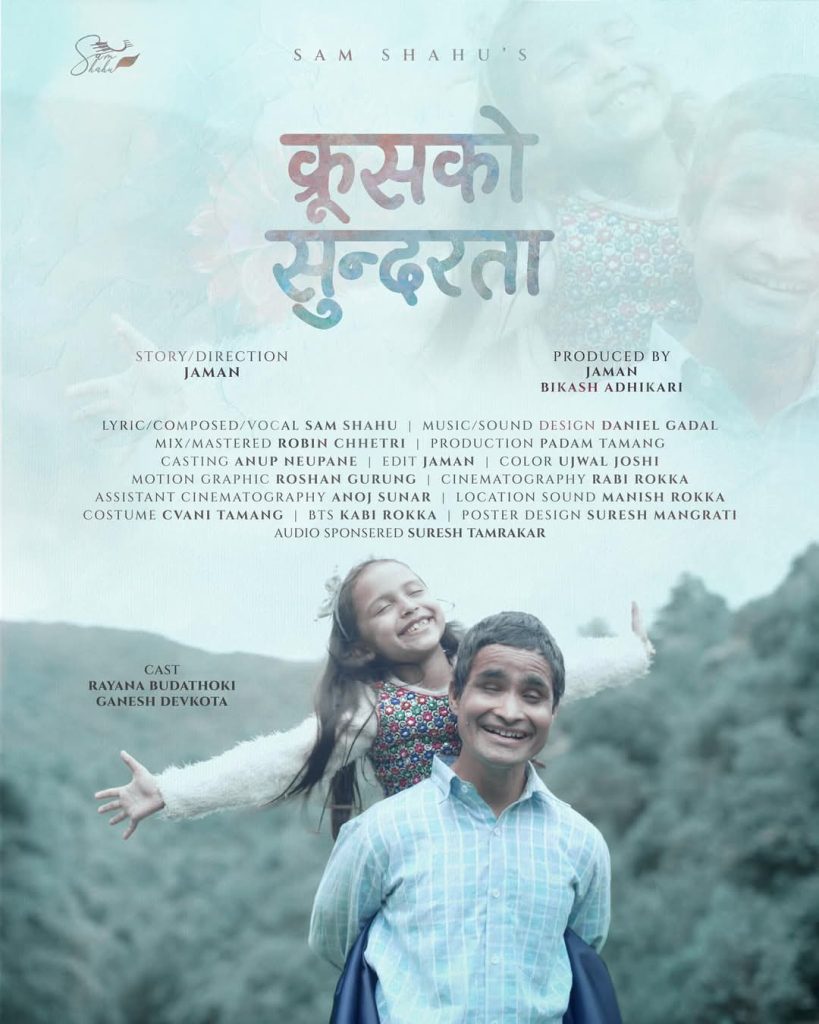
Krusak Ko Sidhanta

“Krusak Ko Sidhanta” (translated as The Farmer’s Principle) is a Nepali film that explores the life, struggles, and philosophy of farmers in Nepal, delving into their connection with the land, their resilience, and the challenges they face in an ever-evolving world. Directed by Sanjay Lama, this film highlights the importance of agriculture in Nepal’s economy and culture while addressing the broader social issues related to the farming community.

The film follows the life of a farmer who upholds traditional values and practices while facing the increasing pressures of modernization, climate change, and socio-economic challenges. The story underscores the sacrifices farmers make for the sustenance of society and their role in preserving Nepal’s agrarian roots. It reflects the wisdom passed down through generations, where the “principle” or sidhanta is based on hard work, dedication, respect for nature, and community values.

“Krusak Ko Sidhanta” also touches on the emotional and psychological aspects of being a farmer—how deep-rooted cultural connections with the land influence their worldview, and how the shift towards industrialization can impact both the individual farmer and the community. The film portrays the farmer’s philosophy as one of patience, perseverance, and love for the land, even when faced with adversity.

Through heartfelt performances, engaging dialogue, and beautiful rural cinematography, Krusak Ko Sidhanta offers a poignant commentary on the socio-economic challenges that farmers endure, while also celebrating their invaluable contributions to the nation. The film aims to foster awareness and appreciation for the farming community, highlighting their inherent dignity and the struggles they face to preserve the age-old traditions that keep the rural economy alive.

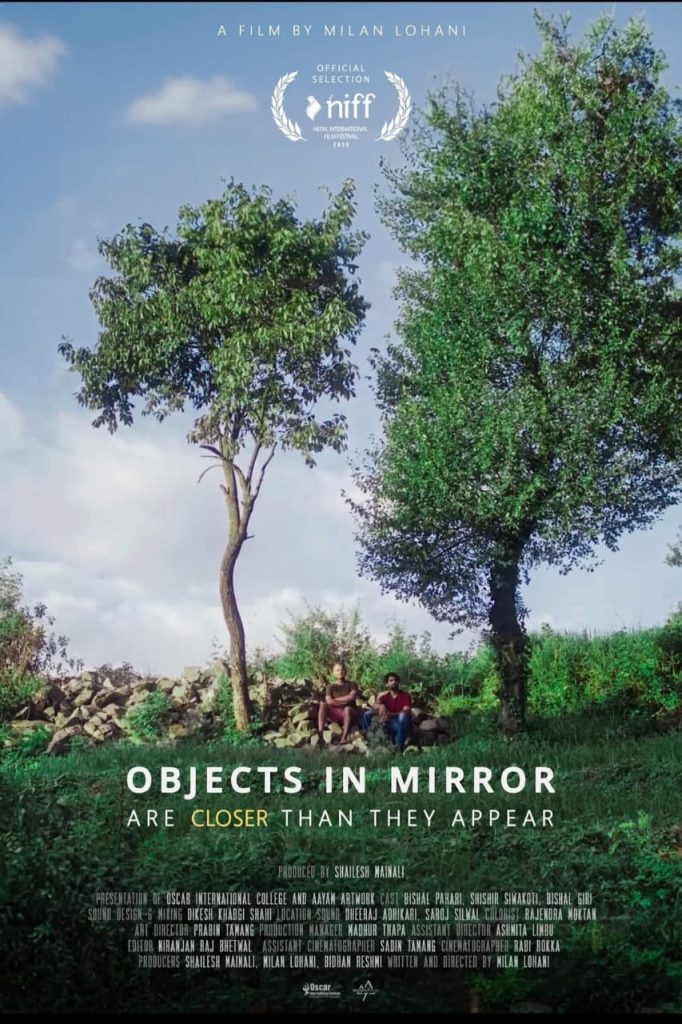
Object in Mirror Are Closer Than They Appear

“Object in Mirror Are Closer Than They Appear” is a thought-provoking Nepali film directed by Rabi Rokka, who also worked as the Director of Photography (DOP) for this project. The film explores the depths of human emotions, personal struggles, and the fragile nature of identity in a fast-paced, ever-changing world. It delves into the complexities of life, where things are not always what they seem on the surface, and the journey of self-realization is often filled with unexpected challenges.

The title itself, “Object in Mirror Are Closer Than They Appear”, is a metaphorical exploration of how our perceptions of life, people, and situations can be distorted, and how, in reality, they may be closer or more significant than we initially think. It speaks to the idea that our lives are often influenced by unseen forces, past experiences, or unresolved emotions that seem distant but are in fact much nearer than we realize.

The narrative follows a central character navigating through a series of life events that force them to confront their past, question their choices, and ultimately come to terms with their true self. The film blends elements of drama and psychological thriller, using cinematography to mirror the protagonist’s internal conflict and the blurring of reality and illusion.

With its masterful direction, gripping storytelling, and cinematic brilliance, “Object in Mirror Are Closer Than They Appear” offers a reflective experience that leaves the audience questioning their own perceptions of life and self. The film is an intense visual and emotional journey, making it a standout piece of Nepali cinema.
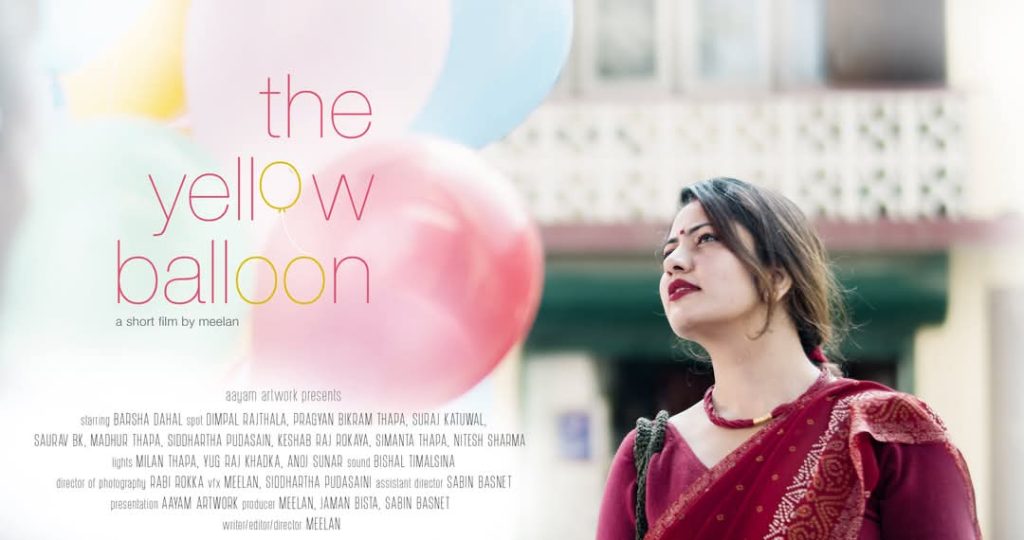


The Yellow Balloon

“The Yellow Balloon” is a Nepali film that beautifully explores the themes of loss, hope, and the delicate nature of human relationships. Directed by Dipendra K. Khanal, this film is an emotional journey through the eyes of its central characters, who are caught in the aftermath of a tragedy. The story focuses on the idea that, even in the face of despair, there can be moments of joy and a chance for healing.

The narrative follows the life of a young boy who, after losing a loved one, struggles to cope with his grief. The yellow balloon becomes a symbol of hope and remembrance, representing the idea that, even though life can be fleeting, there are memories and feelings that transcend time. The balloon symbolizes the light in the midst of sorrow and the belief that there is always a way to find peace, no matter how dark things may seem.

Visually stunning, The Yellow Balloon uses its cinematography to capture the inner turmoil of its characters. The film uses contrasting imagery of light and dark, along with the vibrant yellow balloon, to express the emotional journey of healing and understanding. As the protagonist slowly opens up to those around him, the balloon becomes a powerful metaphor for his journey toward emotional recovery and reconnecting with his surroundings.

The film delicately handles themes of grief, redemption, and the power of human connection. With its touching performances and heartfelt direction, The Yellow Balloon is a poignant reflection on the complexities of life and the enduring hope that can emerge from even the most painful experiences. The movie resonates deeply with anyone who has faced loss and highlights the importance of finding comfort and healing in the midst of adversity.